





Reviews
SINGLES NIGHT by Ruth Polleys
What We Eat When We Eat Alone:
Stories and 100 Recipes
by Deborah Madison and Patrick McFarlin
Gibbs Smith, May 2009
Hardcover 256 pp., ISBN: 9781423604969
Watch a video. Hear interview excerpts.
Shredded wheat. Or Brie and baguette. Asparagus. Or eggs. When I eat alone, which is rather often, these foods become my staples. Woefully simple. Assembled not braised. Lone eaters rarely attempt actual cooking, I’d thought. Shop—yes. Take-out—sure. Flip the lid off the New York Super Fudge Chunk and skip the dish—definitely. But bona fide cooking?
So I wasn’t sure what to expect from What We Eat When We Eat Alone by Deborah Madison, co-authored and playfully illustrated by her husband, Patrick McFarlin. How many others intend to cook for themselves, have quinoa in the cupboard and pine nuts in the fridge, only to resort to cereal or cheese? It turns out many of us cobble meals and eat at the sink or in front of the TV. But there are also cooks—onion-chopping, nut-toasting, chicken-roasting cooks—who turn up the heat for one. Some who eat at tables.
Madison—cook, restaurateur, teacher and award-winning author of books that herald the garden, stress vegetarian, and promote eating locally—makes frequent trips to meet farmers and food producers. She and her husband invariably discuss food with fellow travelers. "I simply asked people about their behind-closed-doors food practices," notes McFarlin, who jotted details for fun at first. Then he and Madison began to talk to friends and strangers, "cooks, farmers, artists, writers," and others they’d meet at a concert or an airport, about their solo eating rituals.
The result is a delightful, conversational journey that weaves a surprising number of voices into neat little chapters that explore gender (yes, men eat more meat, but also more pasta), quirks (fried Spam with grape jelly, oyster crackers in coffee), and shortcuts (eggs any style, condiments galore, leftovers love). Recipes tucked into the end of each chapter include the basic (Tomatoes on Toast, Mashed Potatoes) as well as the more complex (Three-Minute Tuna with Salsa Verde, Winter Squash Risotto with Parsley and Sage), and a range of ingredients that prove cooking for one can be quicker than you think and full of flavor.
Flavor is key. More than one solo cook demands "good" olive oil. Some insist on just-picked herbs, Polish blood sausage, or aged Gruyère. Some recreate childhood—tater tots or hot dogs—though more express a requirement for superior wine. In "Meals with a Motive," singles share their seductive preferences, Champagne and oysters included. It’s fun to see how old stand-bys, and clichés, prevail.
Chapters entitled "Alone at Last" and "Alone Every Day" find eaters both resigned and thrilled to have the kitchen to themselves. Though some have trouble ("How am I going to cut up half a carrot?"), some find joy. Betty Fussell, noted food writer, shares this:
I eat alone all the time in this my seventy-ninth year, and I love to eat alone. Nobody to please but myself. I open the door of the fridge and look inside. It’s always exciting, so many little things forgotten at the back of the shelves. What can I put together for this improvised, unrepeatable, once-in-a-lifetime meal?
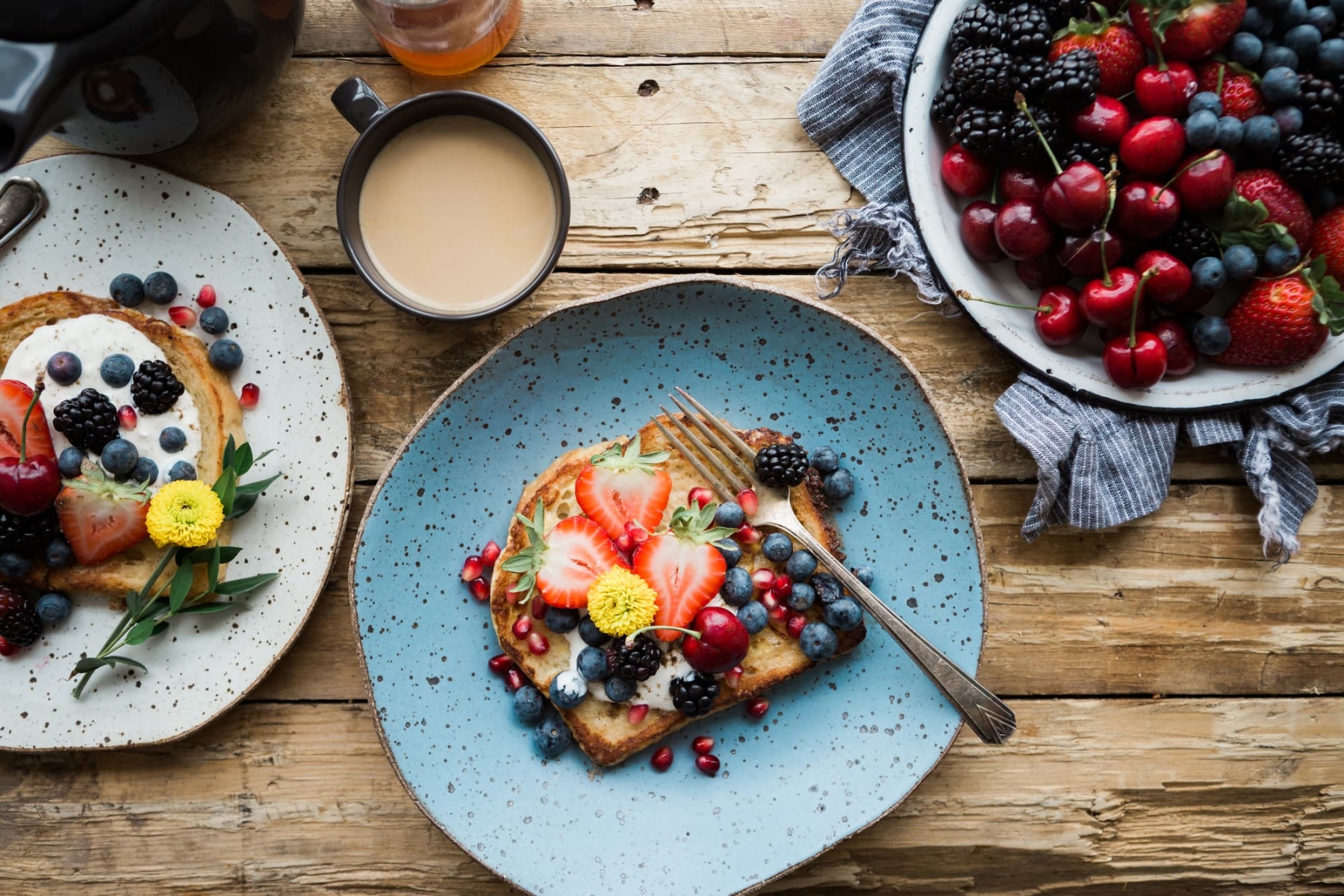
And this appears to be Madison’s upbeat message. Treat yourself right. Eat what you like. And go ahead, improvise! So I did. I dug out that canister of quinoa, toasted a big pinch of pine nuts and roasted asparagus spears. I mixed it all together on a blue ceramic plate, and topped it off with a golden-yolk egg, a drizzle of oil, and shavings of good Parmigiano-Reggiano. The table was set with a linen napkin and a glass of chilled Sancerre. There, a meal deserving of a fine diner—party of one.

![header=[Join Our Mailing List] body=[] mailing list](/storage/home/envelop4.png?__SQUARESPACE_CACHEVERSION=1247327209946)