Modern gastronomy in Portugal has gone far beyond the limits of traditional craft. Today, cooking is a form of art, and the chef is not merely a master of preparation but an artist expressing emotions through flavor, shape, texture, and aroma. The diversity of ingredients, the richness of local traditions, and a constant drive for innovation have turned the kitchens of Lisbon, Porto, Coimbra, and even small villages into stages for true gastronomic performances.
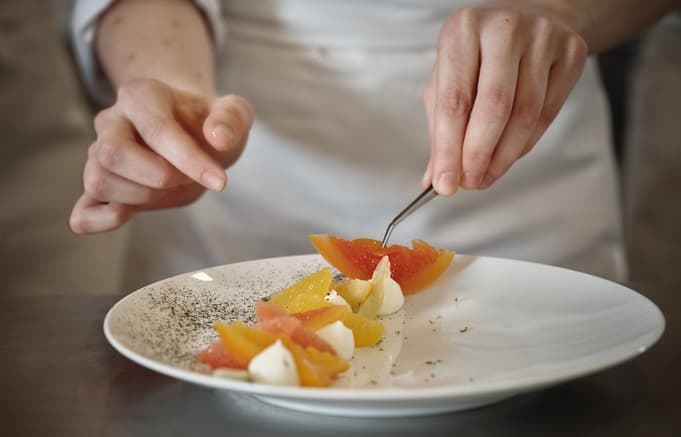
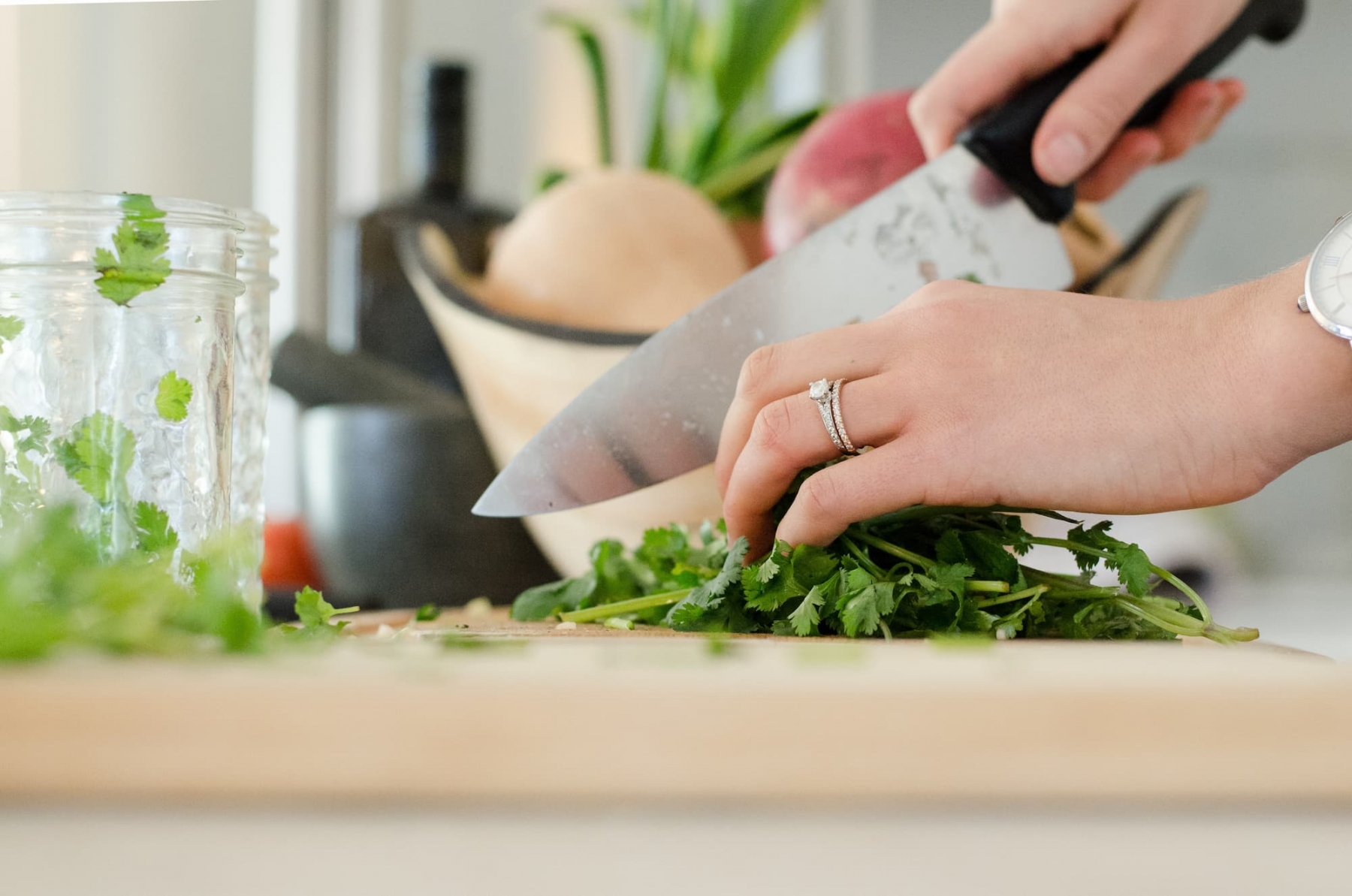
Let’s compare the chef to an artist: one holds brushes and paints, the other uses knives and spices. Just as an artist works on a canvas, a chef creates on a plate. He considers not only flavor but also visual composition, the guest’s mood, and even the rhythm of serving. Every detail matters—from serving temperature to texture combinations. In some Portuguese establishments, especially those with Michelin stars, dinner turns into an emotional journey where each course is like a new act in a play.
In a world where entertainment is becoming increasingly digital—and where online activities such as streaming or virtual online casinos, where you can spin the reels or place bets, are gaining popularity—the value of a real sensory experience in a restaurant becomes especially significant. It is culinary art that reminds us that true emotion still arises in the dialogue between taste and atmosphere.
If you’re looking to take a break from daily routines and spend time playing poker, we recommend visiting the site – casinosapostas.com, where you’ll find trusted casinos offering betting options and fast withdrawals.
The Role of Signature Cuisine in Culinary Evolution
One of the key factors in the transformation of cooking into art has been the development of signature cuisine. This trend allows chefs to go beyond traditions and create dishes that you won’t find on a standard menu. In Portugal, conceptual restaurants are increasingly common, offering meals inspired by local legends, works of art, or even the personal stories of the chefs.
A striking example is the use of Atlantic seafood in completely unconventional combinations. For instance, langoustine tartare with caramelized lavender vinegar or green Alvarinho wine sorbet with salt from the Ria de Aveiro. These dishes not only delight the palate but also create a feeling of connection to something unique—a gastronomic statement that cannot be repeated.
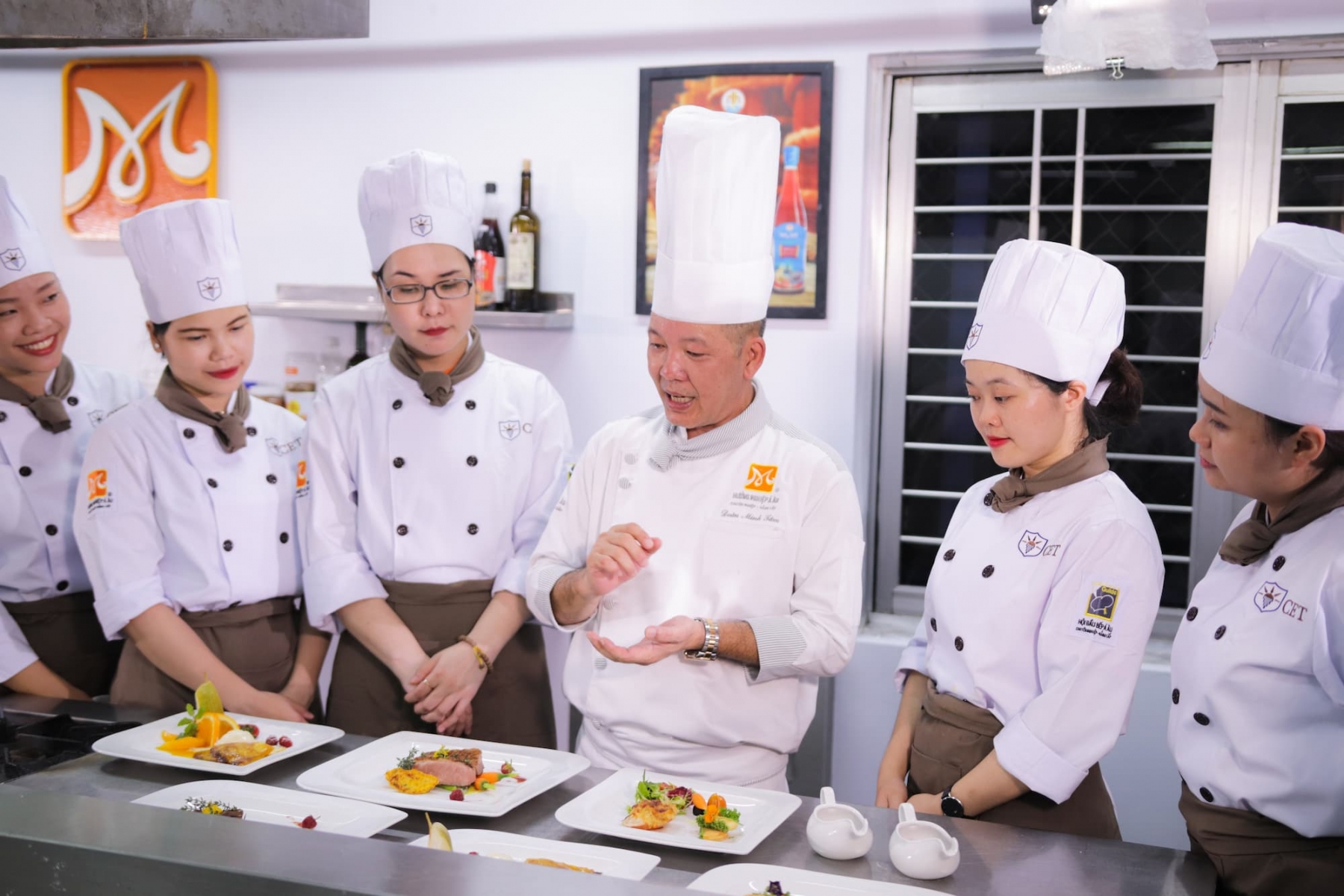
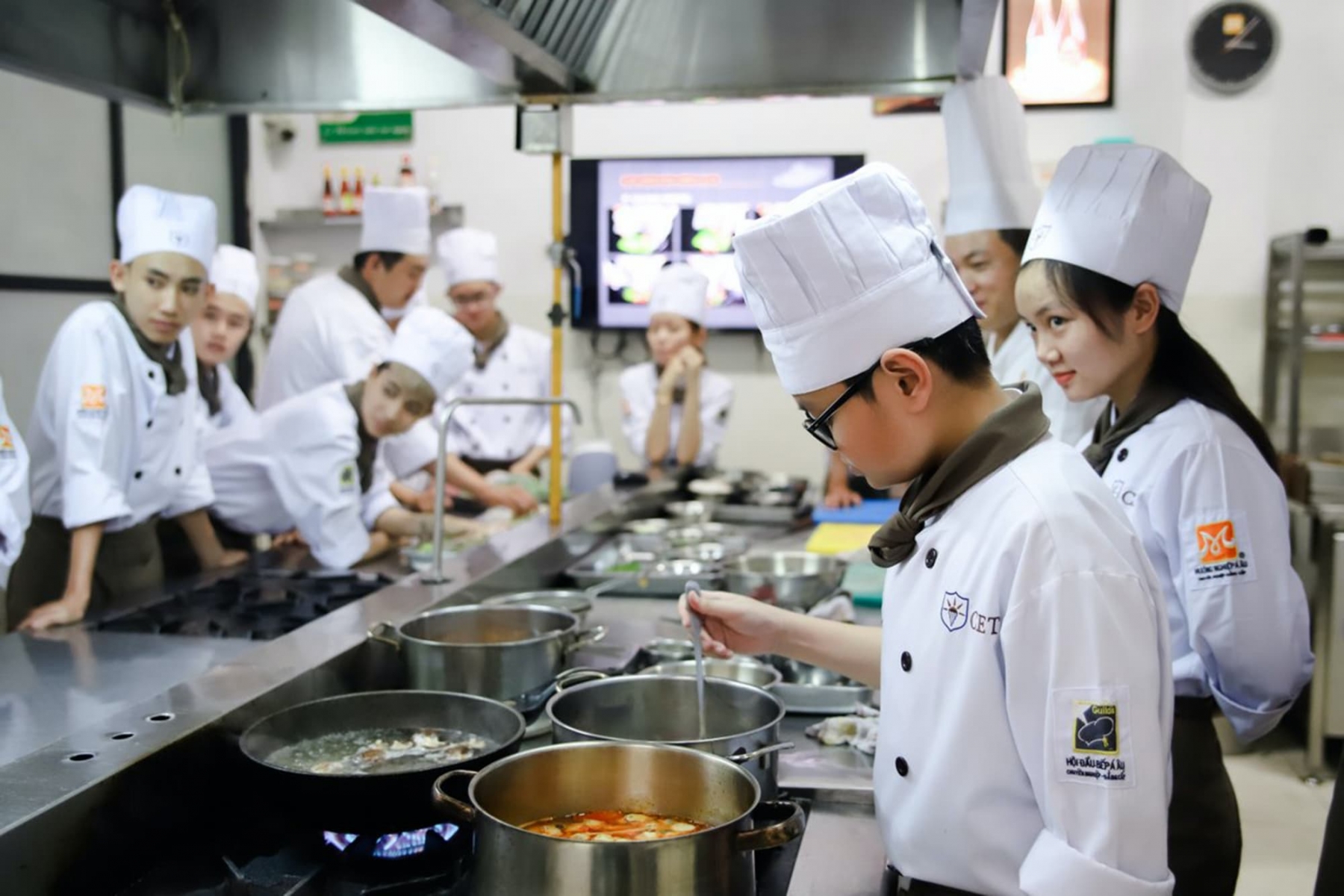
Many chefs follow a long path from classical training to their own signature style. Studying in Lyon or Barcelona, internships with star chefs, and returning to Portugal with a new vision—this is the journey of many modern culinary artists. They don’t copy others; they transform global experience, intertwining it with local identity.
Dish Design: Aesthetics as a Part of Taste
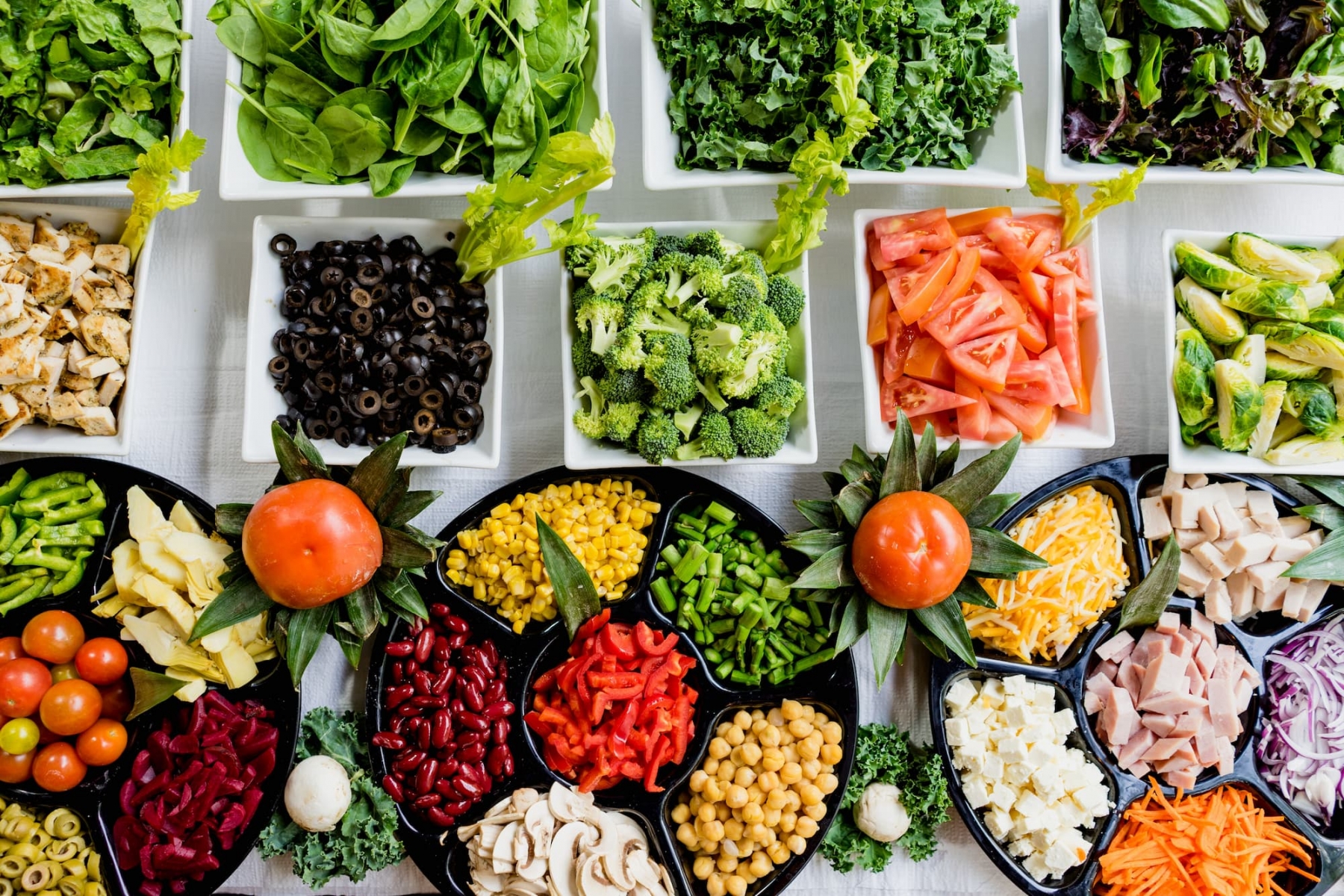
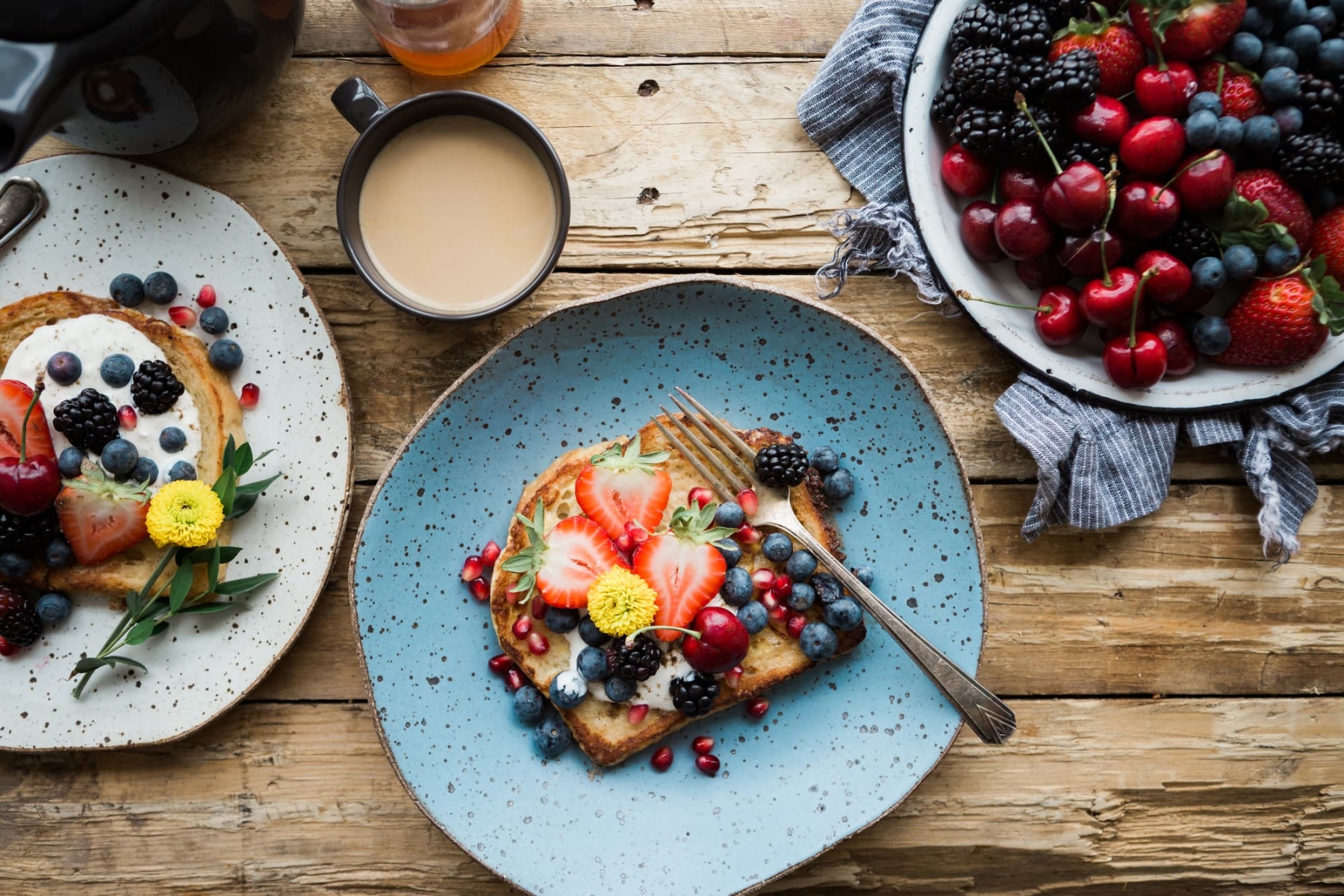
The visual component of a dish has become almost as important today as its taste. Color harmony, the placement of elements on the plate, the play of shadows and textures—all of it creates an impression just as memorable as flavor. This reflects the influence not only of traditional art but also of design, photography, and even architecture.
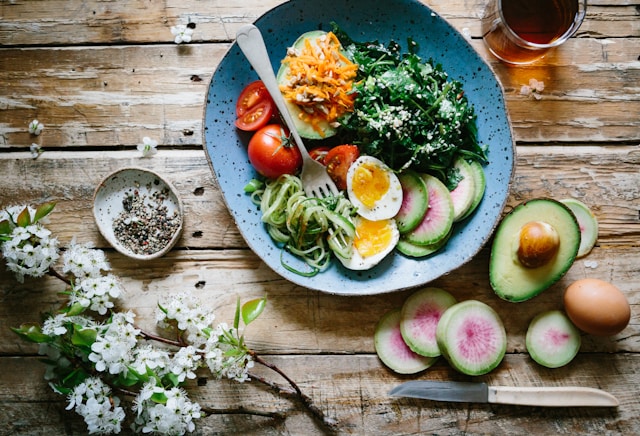
In some Portuguese restaurants, plating is inspired by nature: leaves, flowers, stones, wood—all become part of the presentation and the philosophy. Chefs thereby create in guests a sense of connection to earth, sea, and air. This is not just a meal but a kind of performance, where each guest becomes a spectator—and sometimes even a participant.
How Technology Supports Culinary Art
Digital technologies, once considered foreign to gastronomy, are now organically integrated into the culinary process. 3D printing of chocolate elements, precise molecular gastronomy, and algorithms predicting taste trends all help chefs push the boundaries of what’s possible. Technologies are also used to optimize operations, especially in fine dining where every second and every gram count.
In Portugal, digital platforms are actively used for reservations, collecting feedback, and even predicting dish popularity. Artificial intelligence helps identify which combinations elicit the strongest response from guests and which need to be rethought. This doesn’t replace creativity—it adds precision to culinary calculation.
Why Gastronomy Is the Art of the Future
Unlike traditional forms of art, gastronomy has a unique trait—it engages several senses at once: taste, smell, sight, touch, and even hearing. The crunch of a caramelized crust, the aroma of a citrus sauce, the contrast between hot and cold—all this affects a person in a multidimensional way. In a world where so many things have become virtual, it is the gastronomic experience that remains physically rich, real, and deeply personal.
The chefs of the future are not only culinary masters but also storytellers, philosophers, and explorers. They ask questions, explore local products, and build a dialogue with culture. Thanks to this, culinary art becomes a true form of communication between creator and guest, between tradition and modernity.
With its rich culinary heritage and spirit of openness to the new, Portugal remains one of the best places in Europe where craft truly becomes art. And every dinner is a chance to experience that art firsthand.


Recent Comments