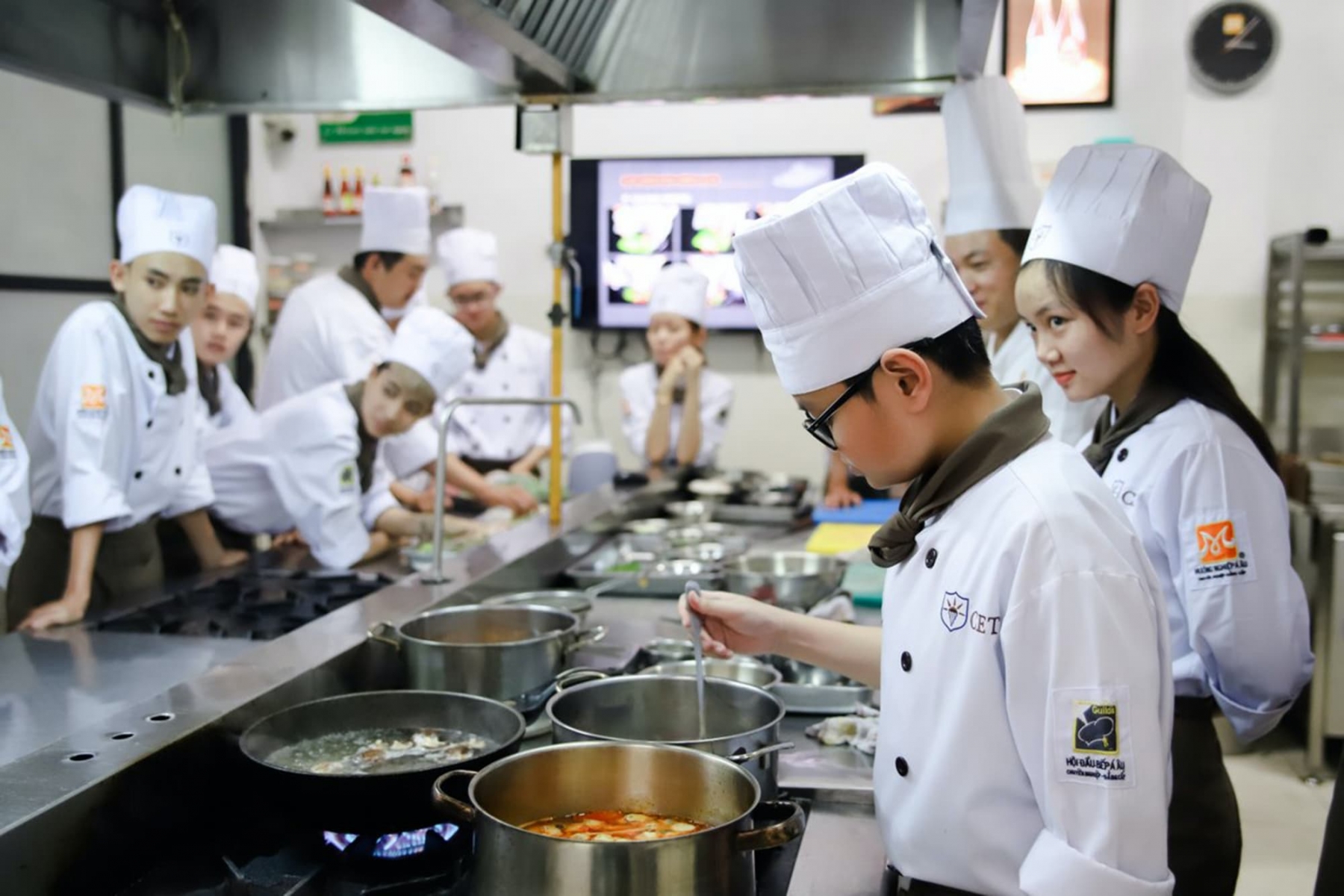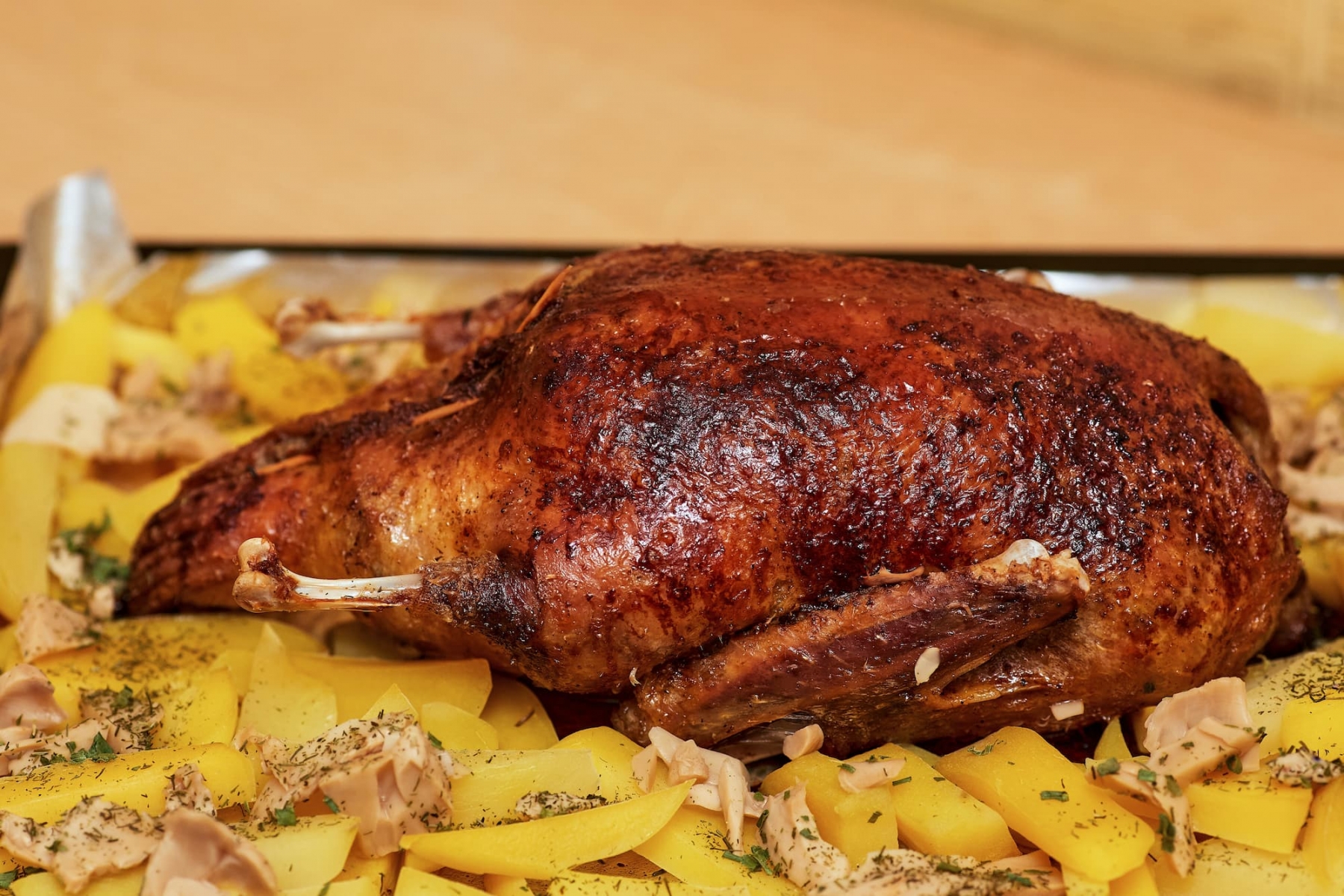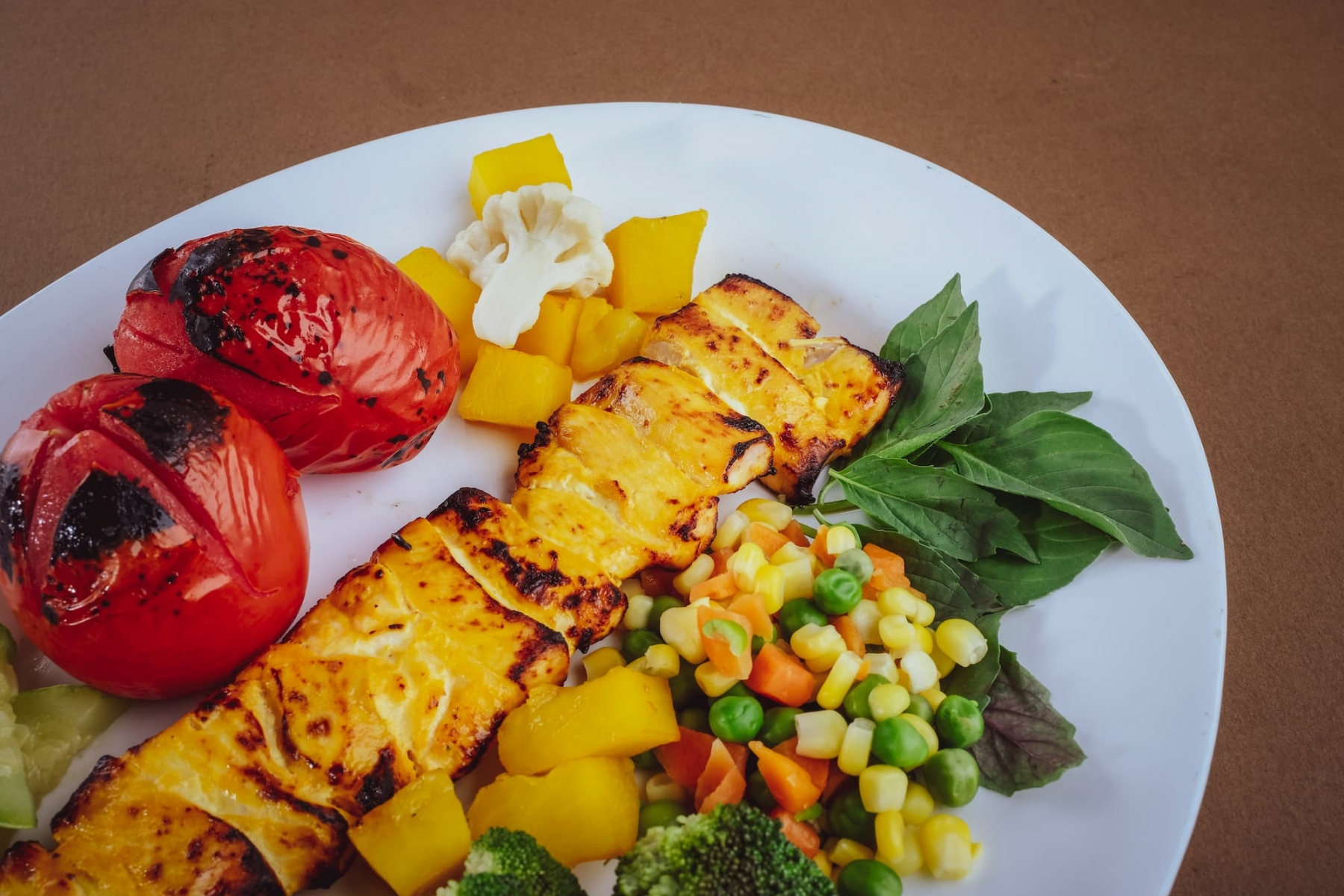

Culinary museums encapsulate more than recipes and utensils – they are vibrant repositories of regional identity and shared memory. In the context of cooking as both art and science, these institutions offer visitors a sensory journey through time: reproducing smells of traditional spices, visualising kitchen tools from different eras, and illuminating how societal changes shaped what we eat.
Why Culinary Museums Matter in a Modern World
While online cooking platforms and recipe blogs proliferate, they often emphasize novelty over historical depth. Museums bridge that gap: they show how food traditions survived through migration, how resourcefulness shaped regional dishes, and how evolving tools – from clay ovens to modern filtration systems – transformed food preparation over centuries.
Exhibiting Global Flavors with Local Roots
At larger institutions like food archives or museum kitchens, exhibitions often focus on global cuisines with local connections. Visitors might see ancient grains traded via merchant ships, or ingredients introduced through colonial trade, alongside displays of Scottish produce and techniques. These curated narratives underscore how food is both universal and deeply rooted in place.
The Value of Low-Entry Accessibility
Interestingly, the concept of making culture accessible is not unlike digital offers such as “50 free spins no deposit.” While the contexts differ, the principle is similar: removing barriers encourages exploration. Museums often adopt their own version – via free admission days, local resident discounts, or community-led exhibits – to invite people from diverse backgrounds to engage with culinary heritage.
Community Collaboration and Living Knowledge
Many culinary museums now work directly with chefs, cultural historians, and food communities to co-create exhibits. By including oral histories – from home cooks, farmers, and family-run kitchens – museums shift from simply displaying artefacts to co-authoring stories. This shared storytelling helps preserve traditions that might otherwise fade from written records.
Inspiring New Generations Through Taste and Touch
For younger visitors, interactive exhibits – like milking demonstrations, spice-plant sensory tours, or dough kneading stations – turn learning into play. This engagement fosters appreciation for the craft behind everyday meals and connects generations via shared culinary memory.
The Broader Cultural Context
As food media embraces trends like Instagram recipe reels, museums offer a counterbalance: depth, context, and reflection. They encourage visitors to consider how globalization, migration, gender roles, and climate have shaped what ends up on the plate.
Museums as Culinary Storytellers
Food museums enrich how we understand cooking – not just techniques or trends, but cultural choices, identities, and histories. They remind us that a recipe is more than ingredients; it’s a narrative. By maintaining approachable entry – whether literal or symbolic – they echo the idea that culture should be accessible.
Just as small digital incentives invite new users to try experiences, museum spaces invite communities to explore culinary heritage. And when organisations prioritise inclusive storytelling, food becomes a shared language – where all voices have a seat at the table.