
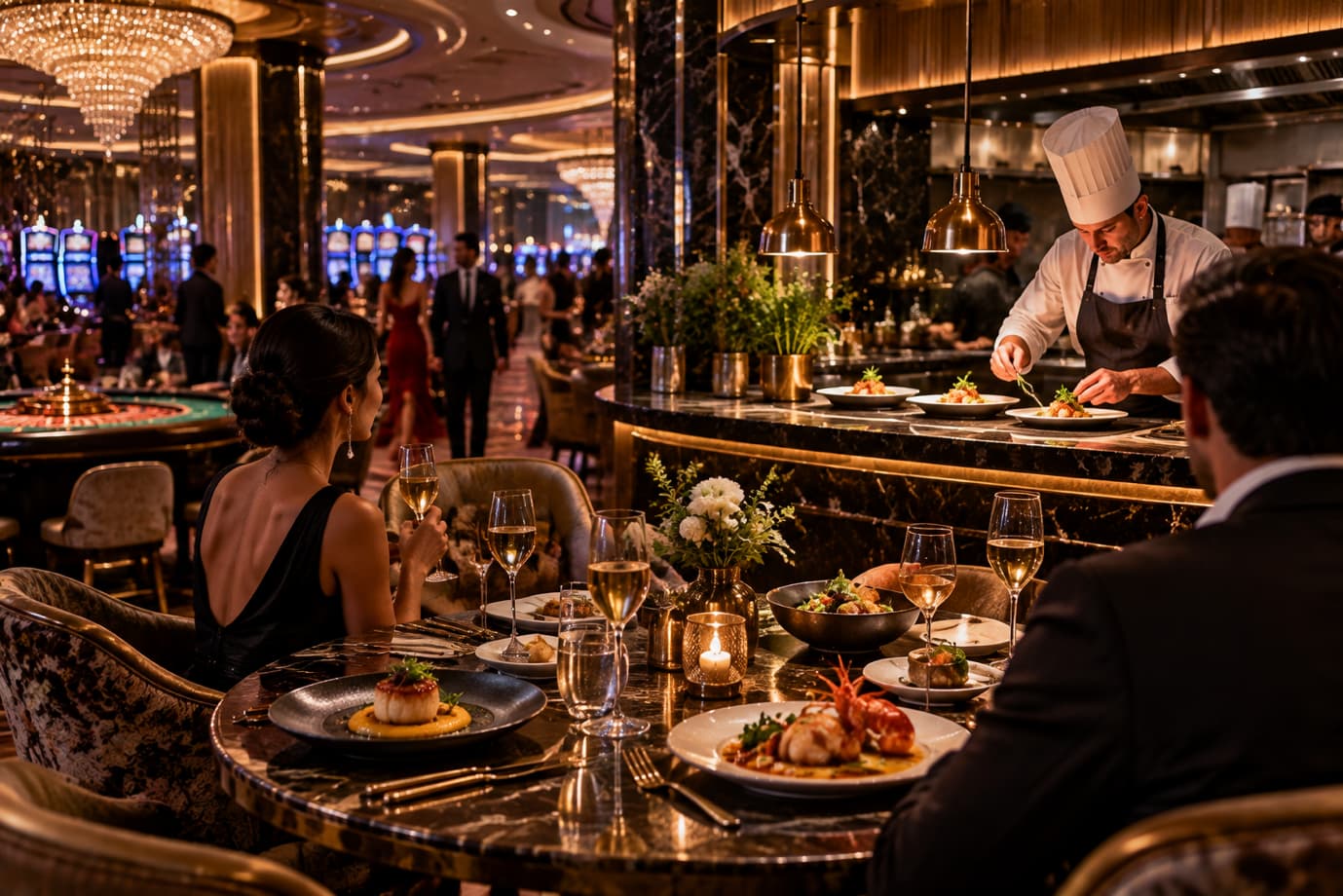
Soon food in an entertainment place was a mere thought, a way to keep the customers in the place between the performance and the tables. Nowadays the kitchen is the reason why people come at all. Casino resorts, arenas, theme parks and hotel chains are now competing on chefs, sourcing and spectacle as much as they are competing on headline acts, and the trends that begin in those kitchens are likely to trickle down to the home cook within a couple of seasons.
The same food-first logic has crossed into digital entertainment, where a lobby is now laid out like a menu. Italian diners make the comparison themselves: «Un buon menù e una buona lobby funzionano allo stesso modo: dalla registrazione in Italia sul sito ufficiale dell’AdmiralBet casinò si passa alle AdmiralBet slot online, organizzate per categoria come i piatti di una carta, mentre quando accedi con il tuo login all’Admiral Bet casinò online, la versione IT propone per prima la specialità dello chef della settimana.»
From the Buffet to the Chef’s Table
The turn started in Las Vegas. Casino dining was characterized by the all-you-can-eat buffet, which was cheap and huge, until Wolfgang Puck opened a branch of Spago on the Strip in 1992 and demonstrated that gamblers would pay restaurant prices to eat restaurant food. In fifteen years Joël Robuchon had a three-star restaurant within the MGM Grand, and the buffet was now the low-cost choice and not the default.
Macau imitated the model on a wholesale basis and Singapore, Manila and the Gulf followed. The integrated resort now approaches its restaurant portfolio like a football club approaches its squad, with named chefs on multi-year contracts and announced with the same pomp, as a recognisable kitchen fills rooms on the nights when the entertainment programme cannot.
Europe followed another path, integrating restaurants into casinos by hotel chains instead of signing chefs, but the impact is identical. At Monte Carlo, Baden-Baden or Estoril the dining room is the front door and the gaming floor is behind it.
Eatertainment and the Theatre of the Open Kitchen
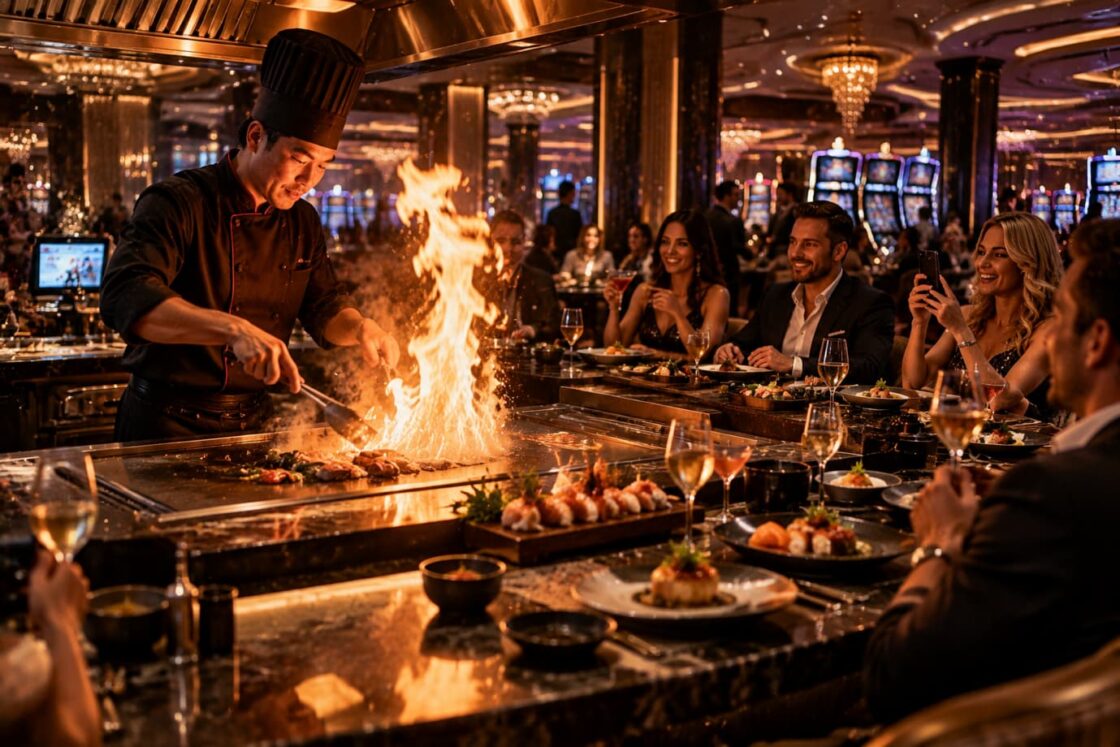
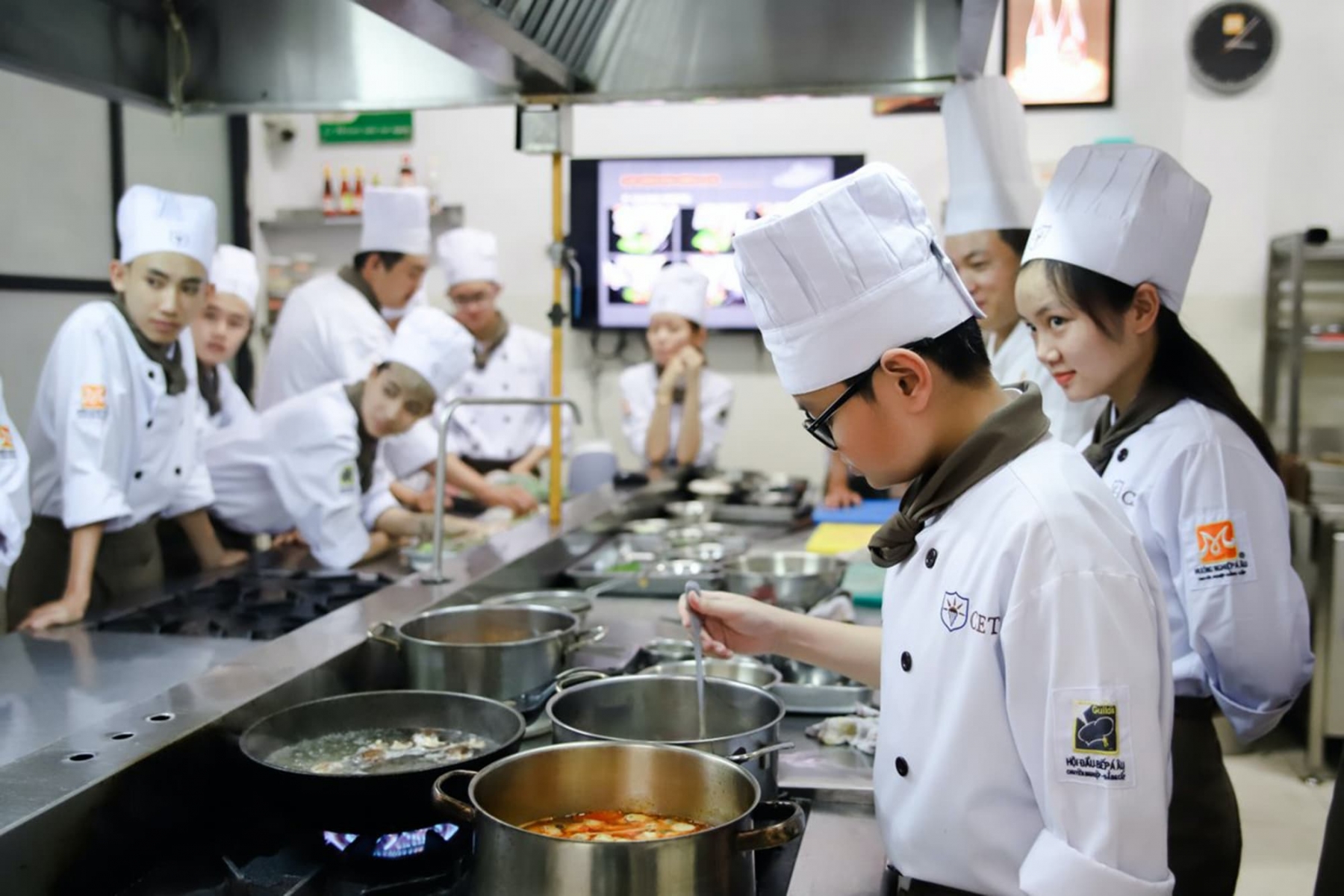
The second trend shifted the cooking behind a wall to the center of the room. The counters of Chef, wood-fired ovens that can be seen through the bar, tableside carving and cocktail stations that flame, smoke and pour out of a height all make a meal a performance, which is appropriate in a place whose whole business is performance. Beverages have followed suit, with cocktail menus constructed around a signature dramatic serve and a bartender presented by name just like a chef.
The broader form is known in the industry as eatertainment, which encompasses all the golf simulators with full kitchens to dinner theatre reborn in a generation that films its food. The similarity is that the plate must be able to survive being photographed, and thus colour, height and a moment of reveal now count to a resort menu nearly as much as taste does.
The Nordic-Baltic Influence on Resort Menus
The most surprising export of the last decade has come from the cold end of Europe. Forging, fermentation and short supply chains became the focus of fine dining in the New Nordic manifesto of 2004, and the concept was exported to Tallinn, which was the first city to receive a Michelin guide in 2022 and now sends its chefs to resort kitchens in Dubai to Macau. Rye, sea buckthorn, smoked fish and birch sap have appeared on menus a long distance away on the Baltic, and are generally served with the simple crockery and leisurely strolling about that the country had popularized.
The tasting-menu habit has spread from Tallinn’s restaurants into the way Estonians describe other kinds of entertainment. Estonian players draw the same parallel: «Degusteerimismenüü ja mängusaal töötavad ühtemoodi: Nopein kasiino on üles ehitatud nagu köök, kus ametlik veebisait on jagatud käikudeks ja registreerimine võtab Eesti mängijal paar minutit, seega mängi Nopein ja logi sisse oma e-postiga, sest sisselogimine viib sind EE versioonis otse Nopein online kasiino saali.»
Stadiums, Arenas and the Food Hall Model
Sport has not been an exception. The stadium of Tottenham Hotspur opened in 2019, featuring a brewery within the ground and a bar that runs along the pitch, and since then American arenas have been constructed with local restaurants and food-truck operators signing contracts to run the concourse, making it look like a food hall. Even theme parks, which were once synonymous with fried food, are now operating seasonal festivals of small plates and wine that attract patrons who do not even get on a ride.
The food hall itself, which was first introduced by markets like Time Out in Lisbon, has become the model of entertainment districts all over. A dozen tiny kitchens in a single roof allowed a venue to provide a curated city instead of a single menu, and in-seat ordering via a phone implies that the queue, which was previously the worst part of the evening, is being eliminated in the latest venues entirely.
Sourcing, Waste and the Sustainability Badge
Sourcing has become the loudest food trend in hospitality because it is the easiest to see. The Michelin Guide’s sustainable gastronomy coverage documents kitchens that grow their own produce, butcher whole animals and design menus around what a region yields in a given month, and resort restaurants now court that recognition as keenly as they once chased a star for technique. A casino kitchen that once flew in lobster from three time zones away is likelier today to name the farm on the menu.
The other half of the story is waste. Whole-animal butchery, fermentation of trimmings and bars that reuse citrus husks to make cordials started as principles of chefs, and has been adopted as procurement policy by large operators, both due to cost considerations and because guests now demand to know the provenance of things and what became of the rest. It is also a hedge to a resort, as a supply chain of local farms is not as vulnerable to the shipping shocks that emptied hotel kitchens in 2020 and 2021.
-What the Home Cook Can Borrow
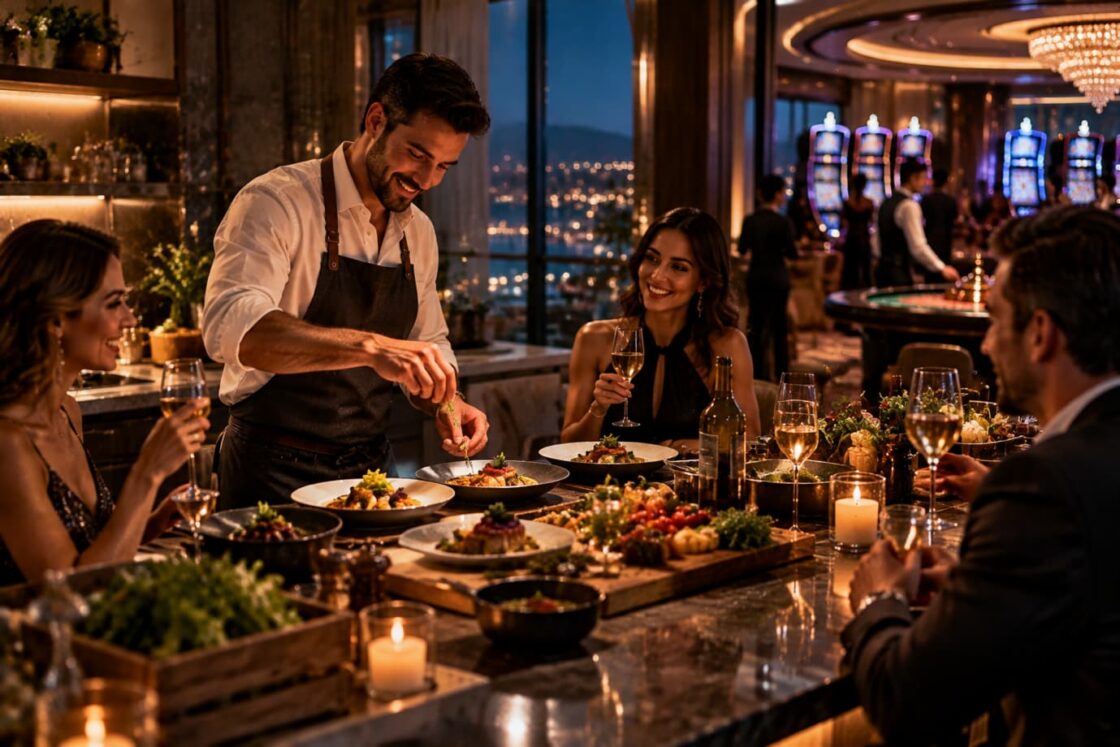
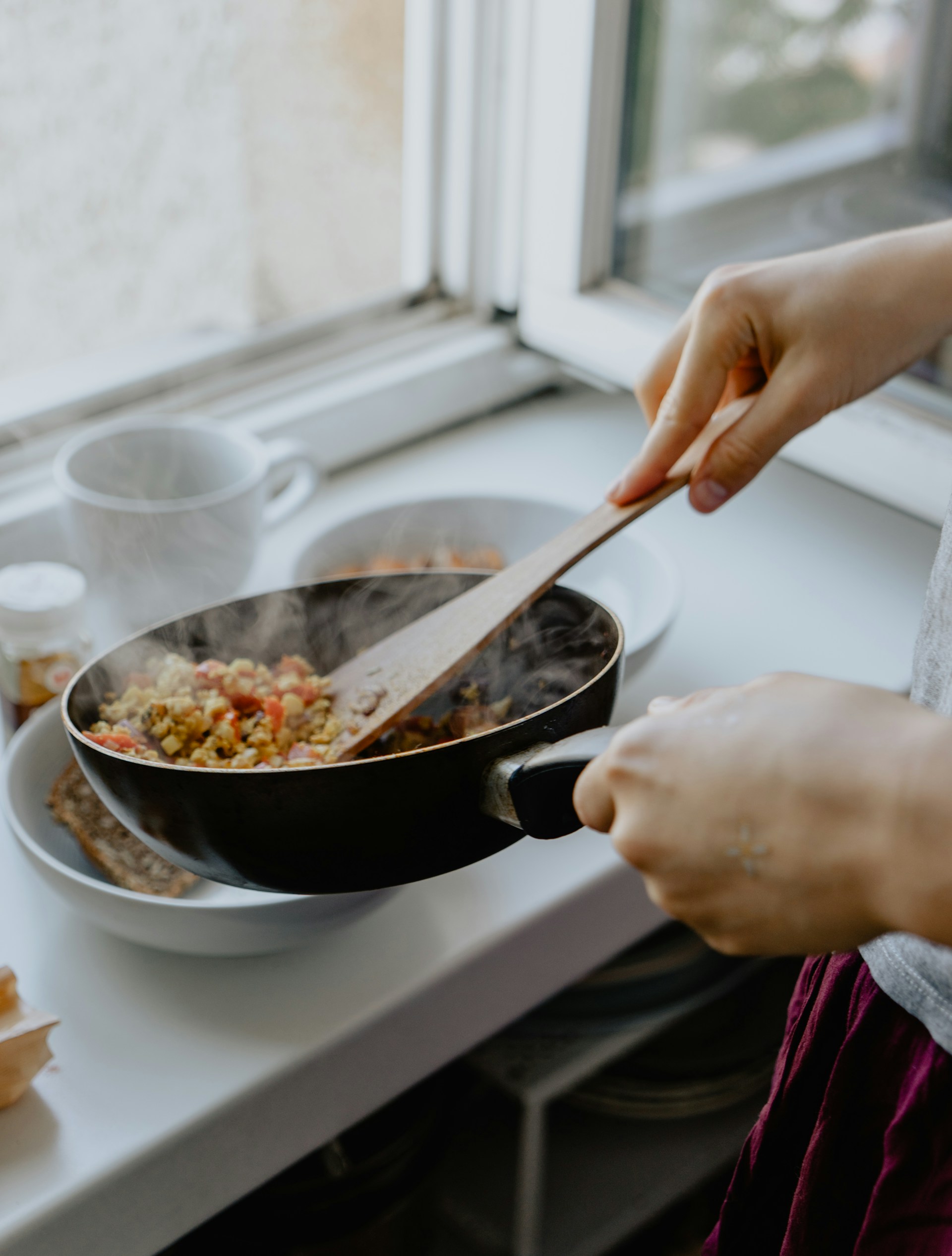
The majority of these trends are translated to a domestic kitchen with minimal modification. The cooking is half the fun, and the cook is doing well to work where people can see; the menu ought to begin with the season and the nearest producer; and trimmings ought to be treated like ingredients, and not like rubbish.
The moral of the story that the industry learned the most costly is the easiest. Individuals will travel, pay and come back to food prepared in front of them and a home cook who does the same to six friends is operating the same business on a smaller scale.


Recent Comments